
Transcript
Announcer:
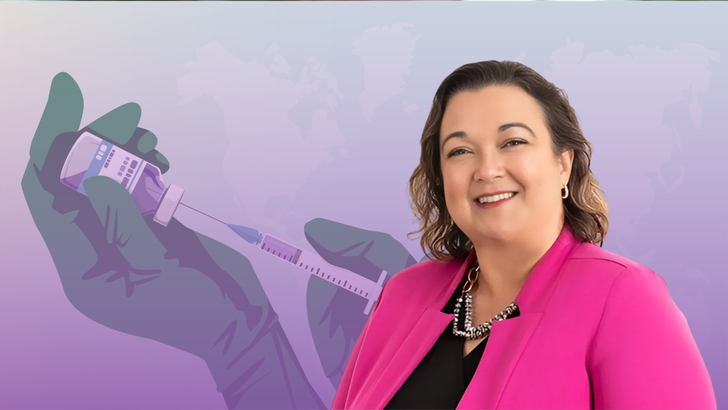
This is Clinician’s Roundtable on ReachMD. On this episode, we’ll hear from Dr. Jessica Snowden, who’s a Professor of Pediatrics and Vice Chancellor for Research at the University of Tennessee. She’ll be discussing the importance of proactively recognizing and diagnosing meningitis B in children. Here’s Dr. Snowden now.
Dr. Snowden:
It’s been amazing to see, even over the course of my own career, the impact that meningitis vaccination has had on children all over the country and all over the world, which has been remarkable. However, that doesn’t mean it’s completely gone. And so one of the things that becomes really important for all of us as pediatricians to be aware of is, even in an age where meningitis is rare, thanks to vaccination, it is still something that is occurring, either because not all children are vaccinated or because no vaccination is 100 percent effective.
We still do occasionally see meningitis in children, and it can be catastrophic if missed. So for children who don’t get prompt care, treatment, and recognition because it’s not something we see very often anymore, it can do a lot of harm. And so it’s really important for all of us to keep that in the back of our mind as something that’s gone but not forgotten.
So one of the things when we think about recognizing meningitis—I think all of us remember from medical school that we think about somebody who’s got a stiff neck, right? That is the thing that we all associate with meningitis. The problem is, a young child’s not necessarily going to be able to tell you that, and you’re not even necessarily going to be able to pick it up on physical exam where when I move the head or neck around, they are resisting me, or I can tell that they’re having pain. That’s something we can pick up in older children or that older children can report to us.
Similarly, older children could report a headache or that the light is making their eyes hurt. Infants really can’t do that, and so one of the things that we see with infants with meningitis and so many other serious illnesses is that it’s much harder to pick up those signs and symptoms that something is off, and so you have to have a really high index of suspicion.
And it was always one of the things that I told moms of newborns when they were leaving the hospital. Whoever his caretakers are, are the people who are going to be able to tell us that there’s something not quite right. It could be that they’re sleeping more than usual. It could be that they’re crankier than usual. It could be that they’re not eating the way they normally did or floppier than usual. It’s all of those things that all of we as caregivers recognize are not quite right about the child. We need to take that seriously in infants because it could be a sign that there’s something unusual going on.
The gold standard way that we diagnose that—the definitive way that we do that—is we do something called a lumbar puncture. So we’re looking for things like lots of white blood cells that are coming to fight the infection. We’re looking for things like the bacteria or virus that might be causing the infection. We look for things like elevations in protein because, again, that’s the body trying to mount a response and trying to fight this off. So with all of those things, the gold standard for us is looking at that spinal fluid itself.
Announcer:
That was Dr. Jessica Snowden talking about how we can recognize meningitis B in children. To access this and other episodes in our series, visit Clinician’s Roundtable on ReachMD.com, where you can Be Part of the Knowledge. Thanks for listening!
